CEO confidence in revenue growth has dropped to its lowest level in five years, as most business leaders struggle to generate measurable returns from artificial intelligence investments, according to PwC’s latest global survey.
Only 30 per cent of CEOs say they are confident about revenue growth over the next 12 months, down from 38 per cent in 2025 and 56 per cent in 2022, the survey found. The findings suggest many companies have yet to translate AI spending into consistent financial gains despite widespread experimentation.
The survey gathered responses from 4,454 CEOs across 95 countries and territories between September and November 2025.
AI creates widening gap between early adopters and laggards
The biggest concern for 42 per cent of CEOs is whether they are transforming fast enough to keep pace with technological change, including AI. That figure sits well ahead of worries about innovation capability or medium to long-term viability, both at 29 per cent.
Despite widespread AI pilots, only 12 per cent of CEOs say AI has delivered both cost and revenue benefits. Overall, 33 per cent report gains in either cost or revenue, while 56 per cent say they have seen no significant financial benefit to date.
CEOs reporting both cost and revenue gains are two to three times more likely to say they have embedded AI extensively across products and services, demand generation and strategic decision-making, according to the survey.
Companies with strong AI foundations — including responsible AI frameworks and technology environments that enable enterprise-wide integration — are three times more likely to report meaningful financial returns. Separate PwC analysis shows companies applying AI widely to products, services and customer experiences achieved nearly four percentage points higher profit margins than those that did not.
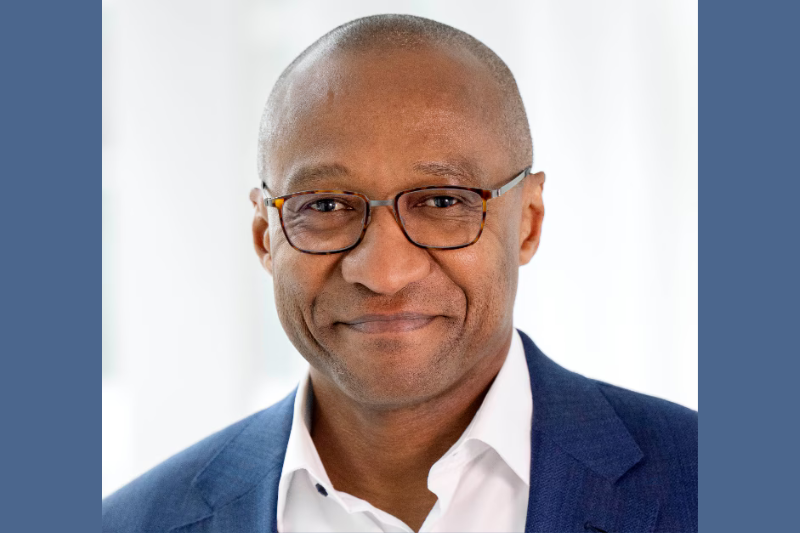
“2026 is shaping up as a decisive year for AI. A small group of companies are already turning AI into measurable financial returns, while many others are still struggling to move beyond pilots,” said Mohamed Kande, PwC global chairman. “That gap is starting to show up in confidence and competitiveness—and it will widen quickly for those that don’t act.”
Tariff and cyber risks add pressure
One in five CEOs globally say their organization faces high or extreme exposure to the risk of significant financial loss from tariffs over the next 12 months, though exposure varies widely by region. Among US CEOs, 22 per cent report high exposure.
Concern about cyber risk has risen sharply, with 31 per cent of CEOs now citing it as a major threat, up from 24 per cent last year and 21 per cent two years ago. In response, 84 per cent say they plan to strengthen enterprise-wide cybersecurity as part of their response to geopolitical risk.
Concerns about macroeconomic volatility (31 per cent), technology disruption (24 per cent) and geopolitics (23 per cent) have also edged higher, while concern about inflation declined marginally from 27 per cent last year to 25 per cent.
CEOs pursue reinvention but face execution challenges
More than four in 10 CEOs say their company has begun competing in new sectors over the past five years. Among those planning major acquisitions, 44 per cent expect to invest outside their current industry, with technology the most attractive adjacent sector.
Just over half of CEOs plan to make international investments in the year ahead. The United States remains the top destination, with 35 per cent ranking it among their top three markets. Interest in India has nearly doubled year-on-year, with 13 per cent of CEOs planning international investment placing it among their top three destinations.
Execution gaps remain significant. Only one in four CEOs say their organization tolerates high risk in innovation projects, has disciplined processes to stop underperforming initiatives, or operates a defined innovation centre or corporate venturing function.
CEOs report spending 47 per cent of their time focused on issues with a horizon of less than one year, compared with just 16 per cent on decisions looking more than five years ahead.
“In periods of rapid change, the instinct to slow down is understandable—but it’s also risky,” said Kande. “The value at stake across the global economy is increasing, and the window to capture it is narrowing. The companies that succeed will be those willing to make bold decisions and invest with conviction in the capabilities that matter most.”