


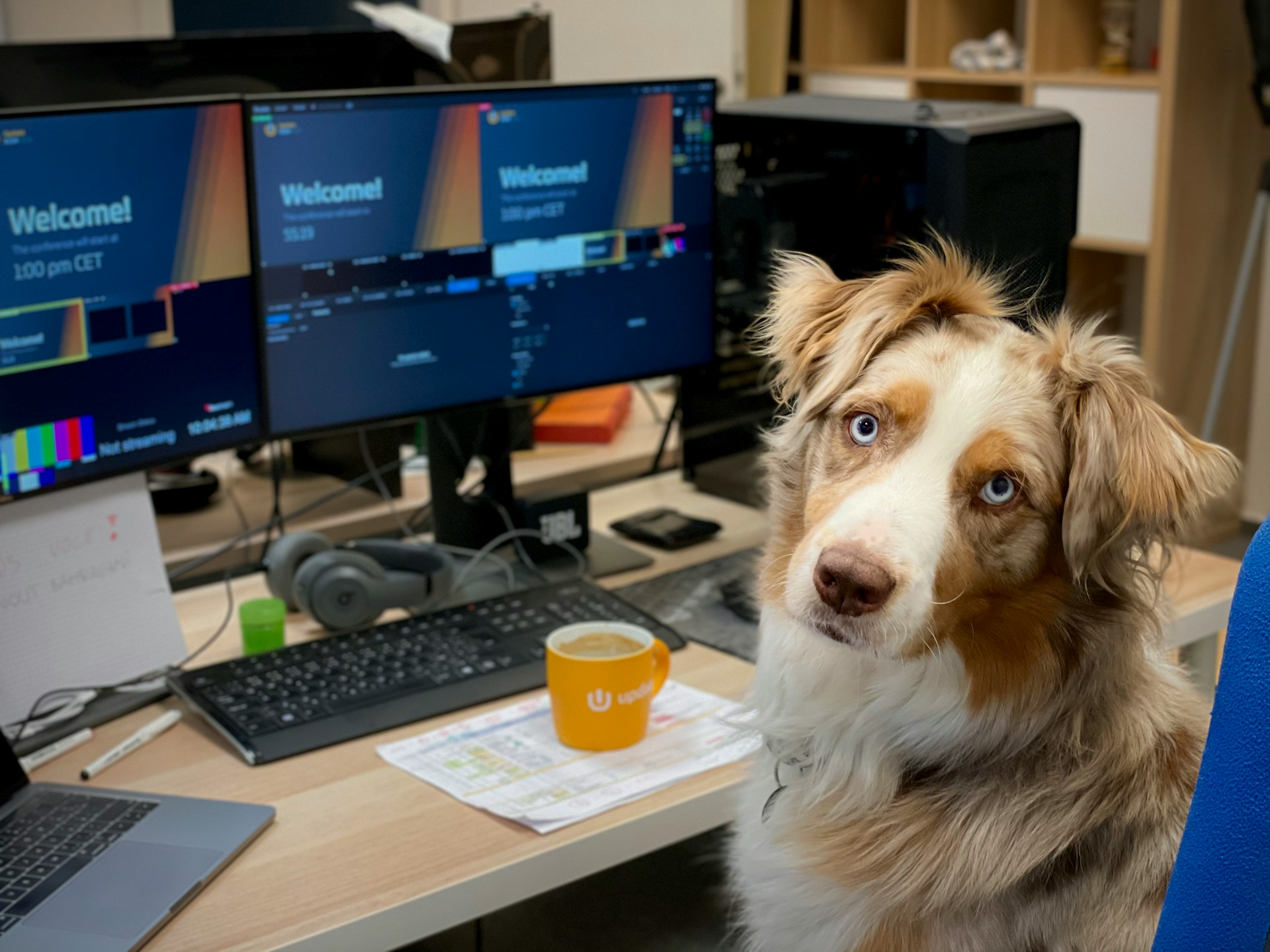
We have two dogs. They are not pets so much as family members who contribute nothing financially and yet somehow run the place. I love them completely.
I also cannot be in a room with a cat for more than 20 minutes without my lungs tightening up. I say this because where you stand on animals in the office tends to depend entirely on which side of the allergy line you were born on.
A British Columbia tribunal ruling from March put that tension into a clinical legal document. And while the employer technically won, the record it left behind is not exactly a trophy.
The case involved a project administrator who arrived at her jobsite in March 2023 and almost immediately discovered the health and safety co-ordinator kept dogs in the first aid office. She had pet dander allergies. She reported this. Then she reported it again. Over the next four months, she documented hives, allergic attacks, and reactions that persisted through weekends. She raised her concerns at least eight times. At one point, a project manager acknowledged to her directly that the employer had failed to provide a safe work environment.

The coordinator told the worker the dogs were emotional support animals. They were not. They were, the worker later learned, on site for convenience.
A slow and fumbling response
The employer eventually acted — relocating a printer so the worker didn’t need to enter the first aid trailer, asking the coordinator to remove the dogs, offering remote work while a third-party investigation was conducted. That investigation ultimately found the dog-owning coordinator had engaged in bullying and harassment, and that the employer’s own initial investigation had not been a fair process.
The worker, by then, had been working remotely for months and went on medical leave in October 2023.
She filed a prohibited action complaint, alleging retaliation for raising health and safety concerns. The Workers’ Compensation Appeal Tribunal found against her. The remote work arrangement, the tribunal noted, was one she had asked for repeatedly and thanked the employer for providing. A contentious phone call with a manager in August was found to be an explanation of reporting protocol, not a reprimand. Legally, the employer cleared the bar.
But clearing the bar and handling something well are different things, and HR professionals would be unwise to read this ruling as a clean bill of health for the employer’s conduct.
The part that should give pause
The third-party investigator the employer eventually hired (only after the worker escalated to the chief executive) found the initial investigation unfair and the early accommodation inadequate. The employer was, by the time the report was issued, rolling out diversity and inclusion training and tightening its harassment protocols. All of that is good.
It is also remediation, not prevention.
The worker first reported her allergy on her second day on site. She was still reporting reactions four months later. That gap is where the heart of this story lives.
Pet-friendly workplaces have genuine value. The case for them — reduced stress, better morale, a warmer culture — is not invented. But a pet policy that doesn’t account for allergies isn’t a perk. It’s a decision about whose comfort takes priority. Allergies are a health matter. In serious cases, they belong in the same conversation as any other workplace accommodation, and they deserve the same sense of urgency.
What this case ultimately shows is an employer that responded to a clear, documented, recurring health concern with half-measures and delayed action — and a worker who never felt safe enough to come back. The employer didn’t break the law, but we’re not going to be inserting this ruling into any best practice textbooks.
A dog in the office can be a genuinely good thing — for morale, for culture, for a 10-minute escape when the walls, deadlines, and pressure are caving things in.
Just remember: not every employee is a dog person. And when someone tells you the office is making them sick, that’s not a complaint to let lie. No matter how good a boy the dog is.