


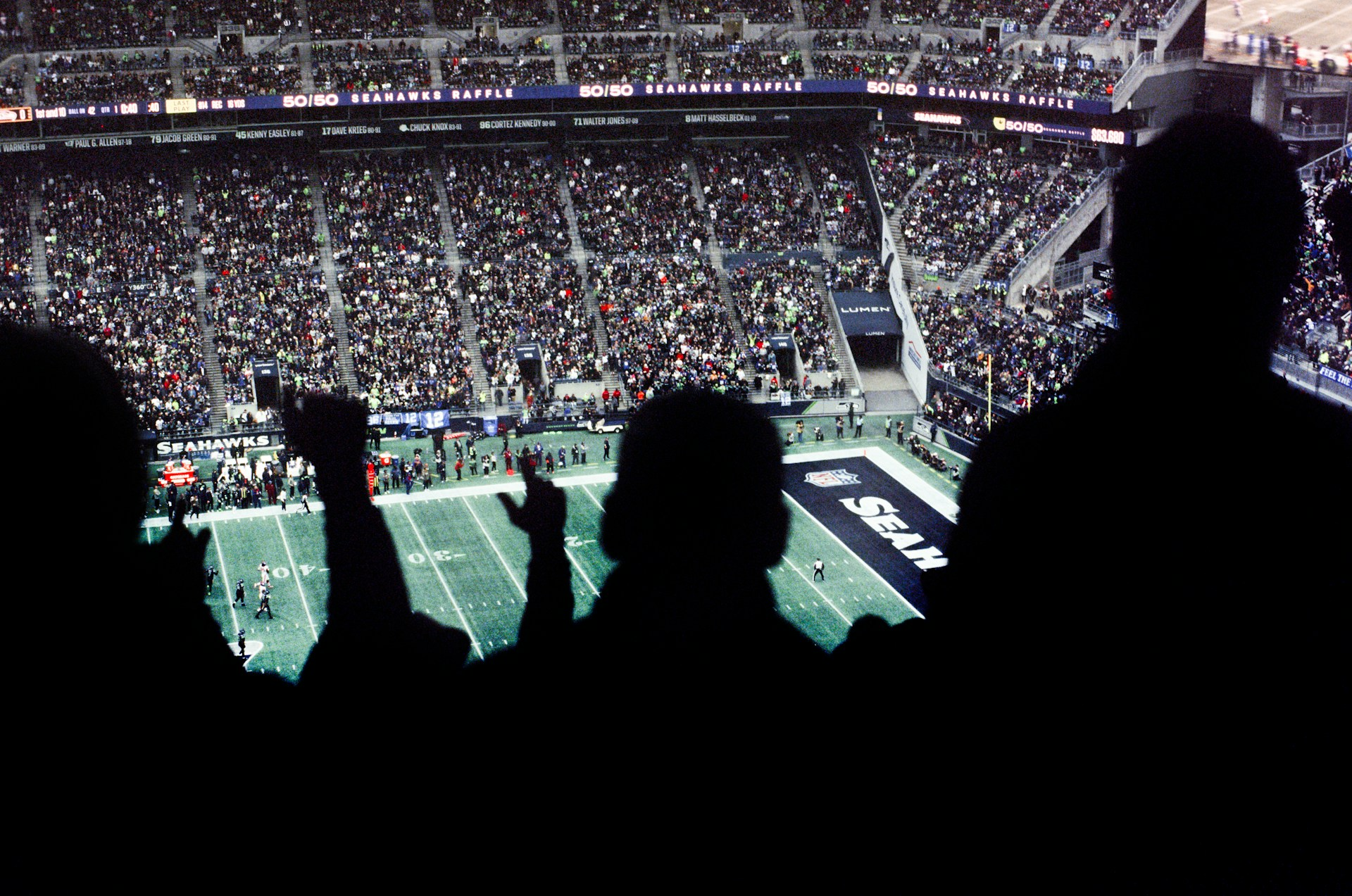
A record 26.2 million U.S. employees plan to miss work the day after Super Bowl LX, according to UKG’s annual absenteeism survey, potentially costing businesses up to $5.2 billion in lost productivity.
The figure surpasses last year’s record of 22.6 million employees and marks the second consecutive year of record-breaking post-Super Bowl absence rates, according to the survey conducted by The Harris Poll on behalf of UKG from Jan. 15 to 20.
The survey polled 1,288 American adults aged 18 and older about their work plans following the Feb. 9 game.
Planning ahead reduces disruption
Among the 26.2 million workers planning to miss work, 13.1 million plan to take pre-approved time off, up from 12.9 million in 2025. Another 6.5 million intend to swap shifts with co-workers, compared to 4.8 million last year.
However, 3.3 million workers plan to call in sick despite not being ill, and 1.6 million plan to skip work without notifying their employer. An additional 4.9 million workers plan to arrive late without advance notice.
“That kind of workforce understanding and insights is a net positive because unplanned absences can quickly add up — potentially costing businesses more than $5 billion in lost productivity,” said Julie Develin, senior partner of HCM advisory at UKG.
Manager communication reduces call-outs
More than half of employees surveyed said early coverage planning by managers would reduce last-minute absences. Specifically, 56 per cent said planning weeks in advance would help, while 54 per cent said clear early communication would make them less likely to skip their shift.
Nearly two-thirds of managers said they plan to ask employees directly about their Super Bowl time-off plans, up from 56 per cent in 2025.
Still, 8.2 million employees said they will make a last-minute decision about whether to work on Super Bowl Monday.

Frontline workers face unique challenges
Nearly half of employees surveyed believe Super Bowl Monday should be a national holiday, up from 43 per cent in 2025.
The sentiment presents particular challenges for frontline-heavy organizations, according to Develin. More than 80 per cent of the workforce holds frontline roles where working holidays and weekends is standard practice.
On game day itself, 18 million employees plan to work their Sunday night shift while watching at least part of the game. Another 6.6 million workers are swapping shifts with co-workers who want to watch.
Three in five employees said they would volunteer to work during the Super Bowl if their organization offered premium pay or another incentive.
Other events may impact 2026 attendance
The survey identified several other events in early 2026 that could affect work attendance. The FIFA World Cup from June 11 to July 19 could impact 36 million workers, while the Winter Olympics from Feb. 6 to 22 may affect 26.2 million employees.
The NCAA Men’s March Madness Tournament from March 17 to April 6 could impact 18 million workers.
UKG has conducted Super Bowl-related absenteeism research annually since 2005 to help organizations plan staffing around major events. The company provides HR, payroll and workforce management software to more than 80,000 organizations across 150 countries.