


Home FeaturedOlder Canadians report declining optimism, persistent social isolation in new survey

Older Canadians report declining optimism, persistent social isolation in new survey

by Todd Humber
A+A-
Reset

Positive feelings toward aging among Canadians aged 50 and older fell from 62 per cent in 2024 to 57 per cent in 2025, marking the steepest decline since the survey began, according to new research from the National Institute on Ageing.

The findings come from the 2025 Ageing in Canada Survey, released Jan. 20. The survey is in its fourth year and is conducted by the NIA with support from Manulife.

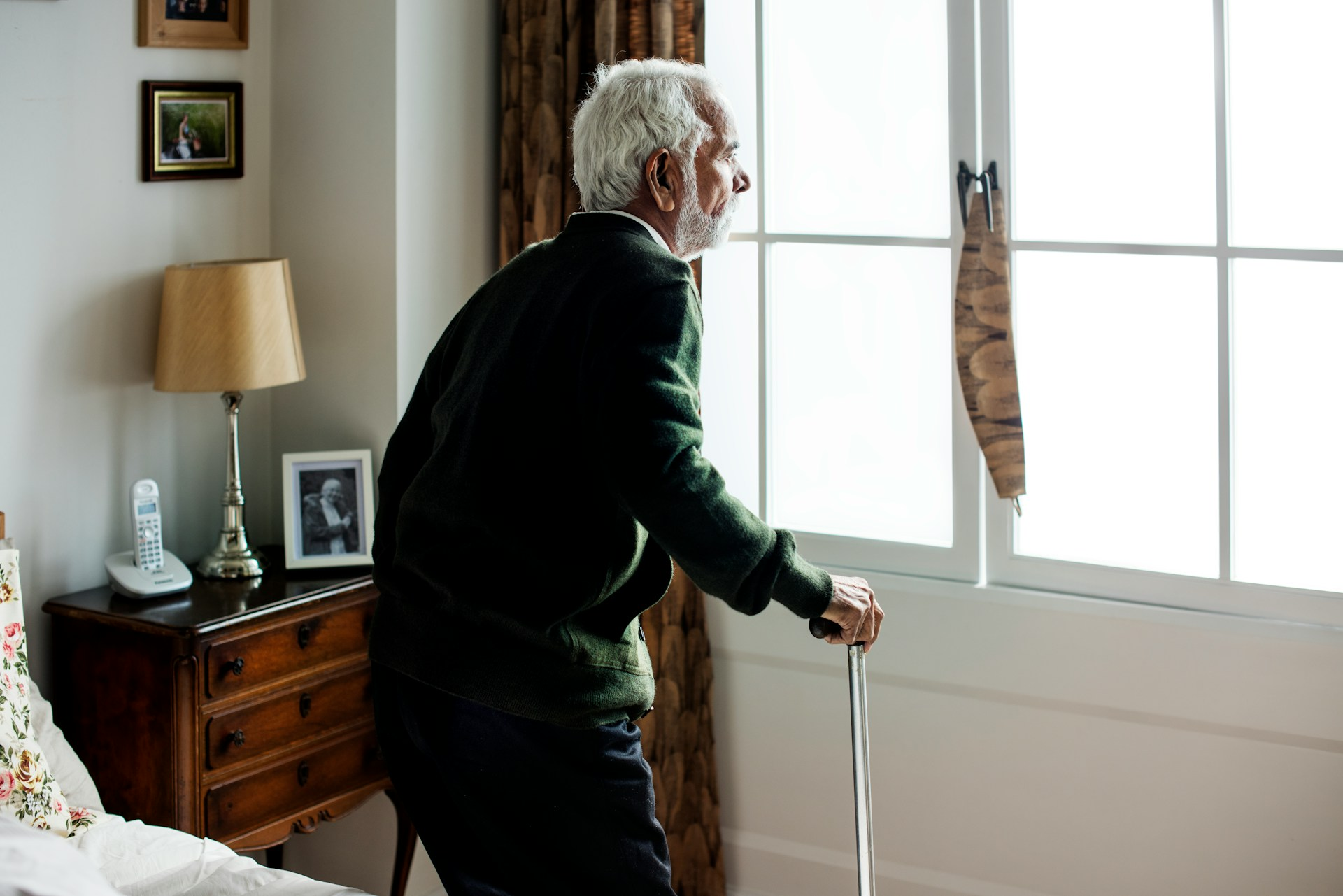
Social isolation and loneliness rates remain high among older Canadians, with no improvement since 2022. Forty-three per cent of respondents remain at high risk of social isolation and 57 per cent experience loneliness.

“This year’s survey shows clearly that too many older Canadians are feeling isolated, financially stretched and less optimistic about their future,” said Mark Hazelden, interim executive director at the National Institute on Ageing.

Financial pressures mount

Twenty per cent of older adults are experiencing a poverty-level standard of living based on the Materials Deprivation Index, higher than Canada’s official poverty line would suggest, according to the survey.

The proportion of respondents who can afford to retire at their desired time dropped from 35 per cent in 2022 to 29 per cent in 2025.

However, the share of older adults unable to afford dental care fell from 16 per cent to 11 per cent. The decline could signal that the Canadian Dental Care Plan is already reducing financial hardship for some older adults, according to the NIA.

Primary care access improves slightly

Sixty-eight per cent of respondents reported having a regular primary care provider, up from 62 per cent in 2022. Many still face difficulties getting appointments and referrals, according to the survey.

Participation in social or recreational activities once a week or more fell from 39 per cent to 33 per cent over the past year. Affordability was the most significant barrier to social engagement.

Aging in place challenges

While 81 per cent of respondents want to remain in their current home or a smaller one as they age, 62 per cent have made no plans or modifications to support aging in place.

Seven in 10 Canadians aged 50 and older report they face ageism in their daily lives. Those in poorer health, lower-income households or over age 80 are most affected, according to the survey.

“We have a responsibility, as policymakers, service providers, employers and communities, to ensure our systems evolve to meet the needs of an aging population,” said Hazelden. “Aging well must be a national priority.”

Naveed Irshad, president and CEO of Manulife Canada, said financial security is fundamental to healthy aging.

“Through the Manulife Longevity Institute, we have an opportunity to reimagine and support how people live and thrive throughout their lives,” said Irshad.

Related Posts

Leave a Comment