


Nova Scotia’s 2026-27 provincial budget, tabled Feb. 23, outlines a $1.19-billion deficit while introducing significant changes that will affect employers, HR professionals and workers across the province.
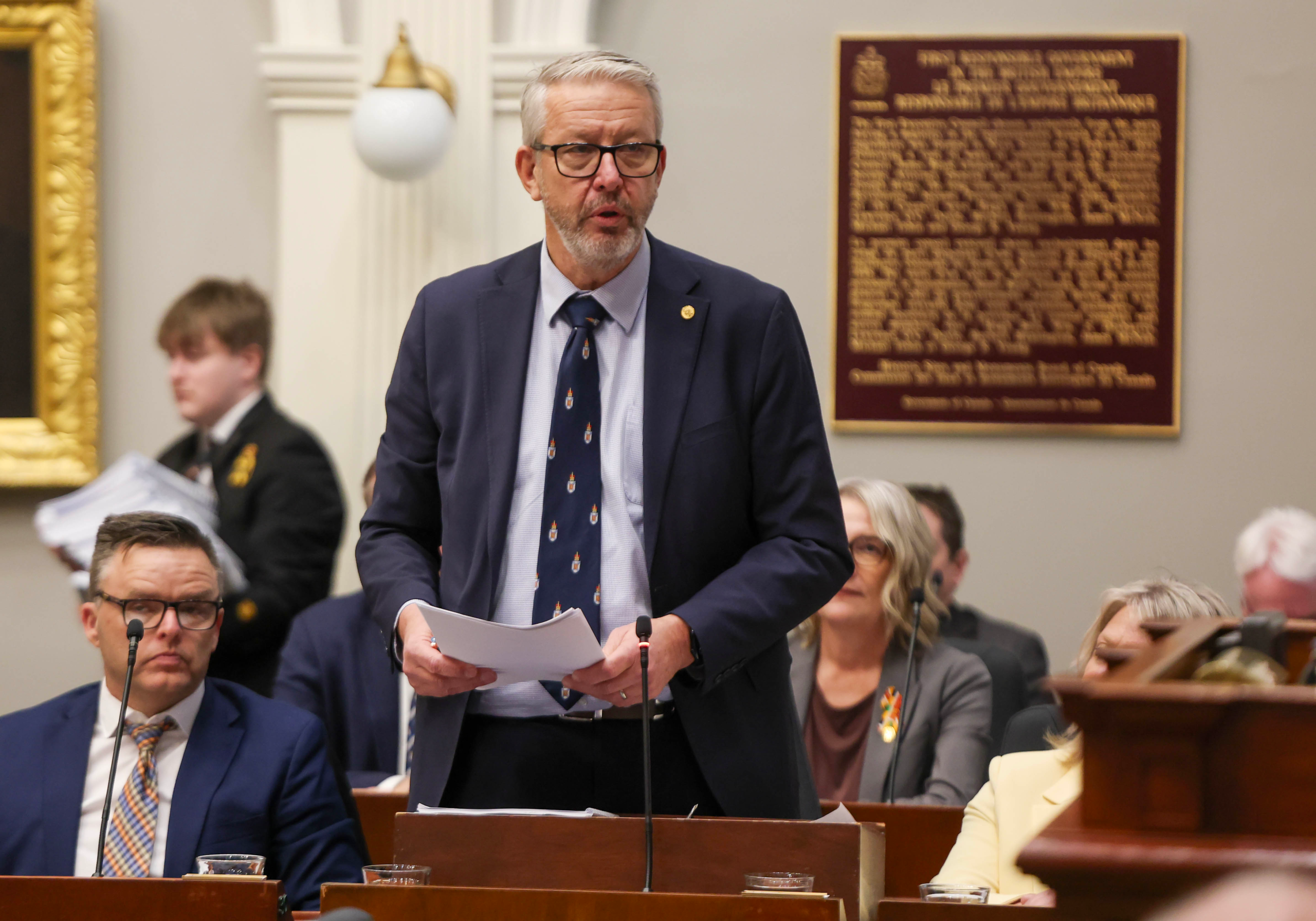
Finance and Treasury Board Minister John Lohr presented Budget 2026-27: Defending Nova Scotia, projecting revenues of $17.3 billion against expenses of $18.9 billion.
Civil service reduction and fiscal sustainability
The government’s most consequential HR move is a planned five per cent reduction in the provincial civil service and a three per cent reduction in the broader public sector — including Crown corporations and regional centres for education — to be carried out over four years.
“We value our hard-working public servants, but government needs to become more focused and efficient,” Lohr said. “We will protect core front-line services that Nova Scotians rely on and work to right-size government through attrition wherever possible.”
The government says it intends to achieve the reductions through attrition wherever possible rather than layoffs.
Wage and compensation investments
The budget allocates $47.1 million to increase pay for family doctors, including those working shifts in long-term care facilities, hospitals and rural emergency departments. An additional $11.8 million is earmarked to retain critical physician specialists — a direct response to ongoing recruitment and retention pressures in the healthcare sector.
The government is also putting $84.8 million into primary care recruitment, targeting family doctors, physician assistants, nurse practitioners and family practice nurses.
Skilled trades and workforce development
Nova Scotia is investing $34.3 million to continue its Actions to Accelerate Skilled Trades Growth plan, including $5 million this year for a new Institute of Skilled Trades. The initiative is aimed at addressing labour shortages in the construction and trades sectors.
Young workers stand to benefit from the $24.7-million continuation of the MOST program, a tax refund for workers under 30 in high-demand occupations including skilled trades, film and video, and nursing.
Disability support and community transition
A significant $59.1 million in new funding will support the transition of adults with disabilities from institutional settings to community living, as part of the Nova Scotia Human Rights Remedy.
This measure will have workforce planning implications for both the public sector and community care organizations that support this population.
Mental health and addictions supports
The budget adds $8 million to the Universal Mental Health and Addictions Care Insured Services program, expanding services provincially. A further $7 million will open Integrated Youth Services sites across the province by 2027-28, with five more locations coming in the next two years.
For employers monitoring employee wellness benefits and workplace mental health resources, these investments signal a broader provincial push to reduce pressure on community-based services.
Affordability measures affecting workers
The budget commits $681.2 million to sustain tax-saving measures the government says will save the average Nova Scotia family more than $1,400 in 2026-27. These measures include indexed tax brackets, an increased basic personal amount, a maintained HST rate of 14 per cent and continued energy rebates.
Income assistance will increase by $20.5 million, indexed annually. An additional $19.8 million brings the province’s total pharmacare support for low-income residents to $64.6 million — a measure with potential implications for employer benefits plan design as more Nova Scotians qualify for public coverage.
Paramedics and emergency health staffing
The province is committing $47.5 million to hire more paramedics and emergency medical responders across Nova Scotia. This expansion represents a substantial recruitment effort for healthcare HR departments and staffing agencies operating in the emergency services sector.
Technology and AI in government operations
Nova Scotia is investing $4.4 million to establish artificial intelligence capabilities within government, including developing and deploying AI-enabled applications. An additional $33.8 million goes toward cybersecurity, including a new Cyber Security Office.
These investments point to a shift in how government roles and workflows may evolve, with implications for public sector HR and workforce planning.
Gender-based violence and workplace safety
The government allocated more than $115 million in total supports for people facing gender-based violence, including $13.8 million in rent supplements for survivors. While primarily a social policy measure, employers in regulated sectors with workplace violence prevention obligations may note the government’s sustained focus in this area.