

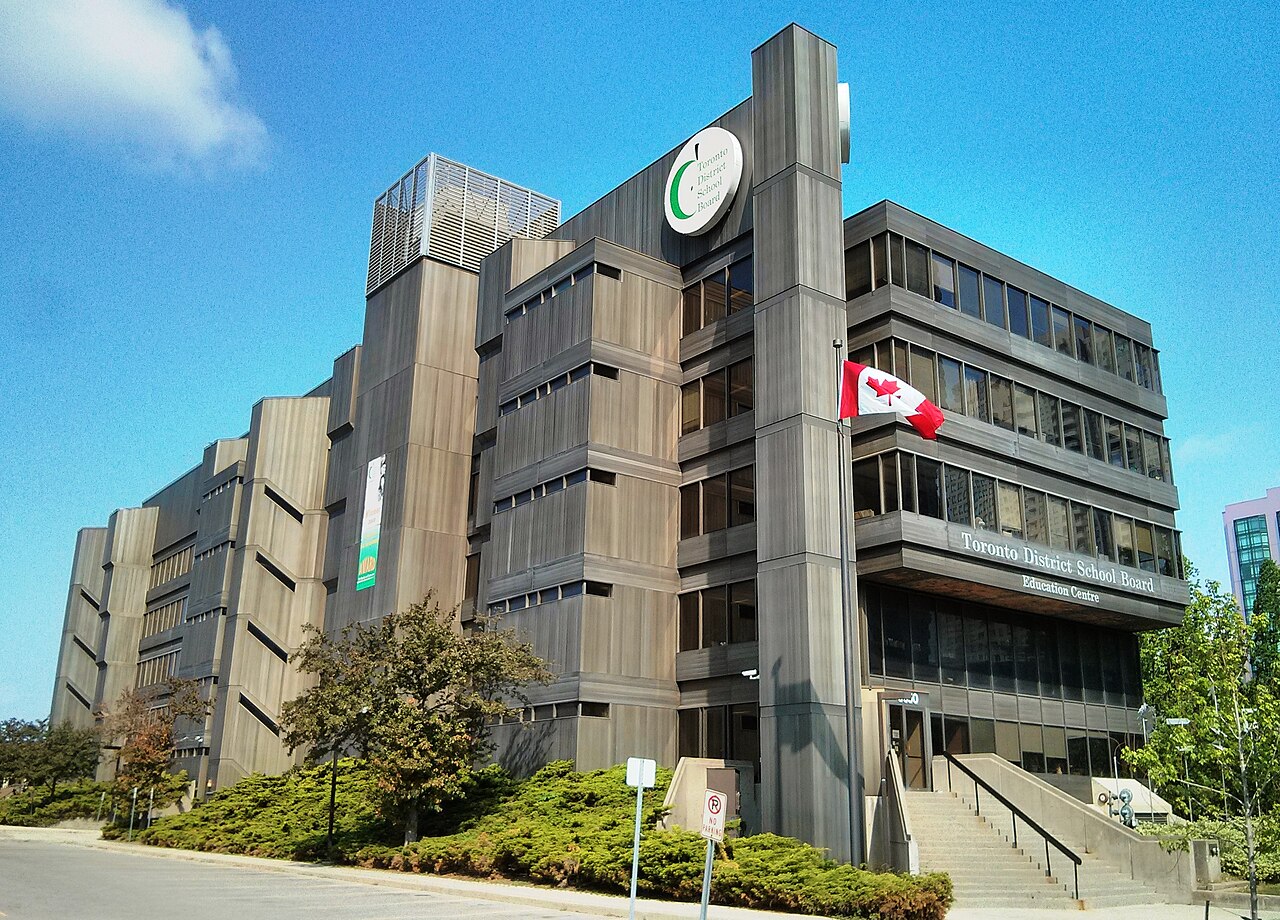
An arbitrator has ruled that a Toronto teacher can proceed with a human rights grievance over an anti-Black racist package delivered to her workplace, rejecting the employer’s claim that her approved workers’ compensation claim barred the matter from arbitration.
The Toronto District School Board had argued that the Elementary Teachers’ Federation of Ontario grievance should be dismissed because the teacher had already received Workplace Safety and Insurance Board benefits for chronic mental stress stemming from the November 2020 incident. The board contended that Section 26(2) of the Workplace Safety and Insurance Act gave WSIB exclusive jurisdiction over all matters arising from workplace injuries.
The arbitrator disagreed, finding that the substance of the grievance concerned alleged violations of the Ontario Human Rights Code and the Occupational Health and Safety Act, not claims for WSIB benefits.
“Violations of the Code and OHSA are not part of the historic trade off; the right to a safe workplace and the right to a discrimination free workplace were not traded away under WSIA,” the arbitrator wrote in reasons issued Jan. 12, 2026.
Background of the incident
On Nov. 26, 2020, a package was delivered to the school addressed to the teacher. The package, ordered from a U.S. website called Witty Yeti, contained an anti-Black racist and sexist object and letter. The outside of the package displayed offensive language visible to anyone looking at it.
The union alleged that before the package was handed to the teacher that morning, the school’s vice-principal had been in possession of it but failed to flag or isolate it. The union claimed this failure constituted an act of discrimination, a potential workplace hazard, and a factor contributing to a hostile workplace.
The union further alleged the teacher was not provided timely support, care, or assistance in dealing with the discriminatory package. Toronto police were contacted following the incident. During the motion hearing in May 2024, the employer disclosed for the first time that the vice-principal’s credit card had been fraudulently used to purchase the package.
The teacher filed a WSIB claim on Jan. 1, 2021, claiming mental stress and psychological trauma from the delivery and handling of the package. WSIB approved the claim on Feb. 4, 2021, granting benefits for chronic mental stress and loss of earnings from Nov. 27 to Dec. 7, 2020, and from Dec. 18, 2020, until her return to work in fall 2021.
The union filed a grievance on Feb. 5, 2021, alleging violations of the collective agreement, the Human Rights Code, and OHSA.
Employer’s jurisdiction argument
The school board argued that Sections 26, 28, and 118 of WSIA created a statutory prohibition preventing litigation of the union’s claim. The employer contended that Section 26(2) must be interpreted as a comprehensive prohibition against any action a worker may have “by reason of an accident happening to the worker” when the worker is entitled to WSIB benefits.
The board argued the WSIB claim and the grievance were based on identical facts and circumstances, differing only in the remedies sought. The employer characterized the union’s attempt to distinguish between the claims as “a hair splitting exercise.”
Arbitrator’s analysis
The arbitrator acknowledged that WSIB has exclusive jurisdiction over all matters arising under WSIA, but found the union was not seeking benefits under the workers’ compensation system. The union’s amended prayer for relief included orders for Code and OHSA compliance, declaratory relief, human rights damages, training, an apology, and professional development — none of which are benefits available under WSIA.
“A claim regarding a breach of the Code, which is the substance of the claim before me, is not equivalent to a claim for benefits under WSIA and is not compensable under WSIA,” the arbitrator stated. “Likewise, a claim regarding the breach of the OHSA, is not equivalent to a claim for benefits under the WSIA.”
The arbitrator relied on established case law holding that a right of action is not barred “merely because a workplace injury or illness forms part of the context in which the claim arises.” The arbitrator noted that the same facts can support concurrent liability in more than one cause of action under Canadian law.
The arbitrator found the WSIB case manager’s Feb. 4, 2021, decision focused on compensating the teacher for lost wages and did not address the alleged violations of the Code and OHSA, including claims about the vice-principal’s potential involvement, failure to investigate properly, and failure to provide a safe work environment.
“It would be unfair and unjust to apply the doctrine of issue estoppel in the particular circumstances of this case,” the arbitrator wrote. “The Grievor’s claim that she has suffered an injury to her self-respect and dignity would be rendered meaningless should she be precluded from seeking redress for the Code protected grounds because she claimed statutory benefits under WSIA.”
The motion to dismiss was denied, and the matter will proceed to a full hearing.
For more information, see Toronto District School Board v Elementary Teachers’ Federation of Ontario, 2026 CanLII 1589 (ON LA).