


By Karel Janicek
PRAGUE (AP) — Czech public media workers went on a one-day strike on Tuesday to protest a government plan to overhaul how public broadcasters are funded, legislation that many say would threaten their independence.
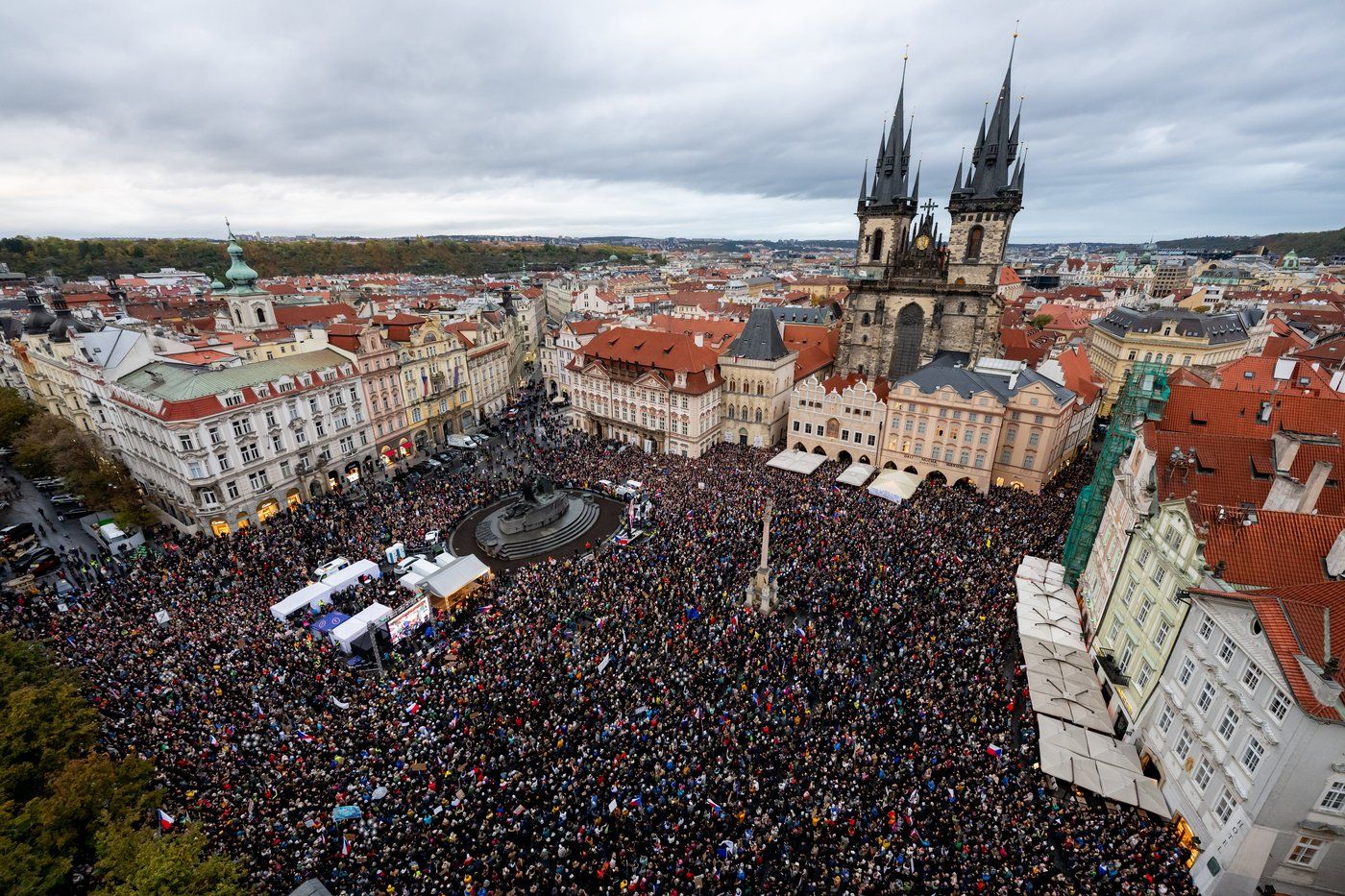
The plan is led by populist billionaire turned Prime Minister Andrej Babiš and has already seen street protests in Prague, the Czech capital, last month.
Under the plan, the country’s public radio and television would be financed from the state budget, not from an existing system of regular fees from individuals, households and businesses. The media would receive about 15% less money than they do now, which could likely lead to staff layoffs, limited production and program cancellations.
Critics say the overhaul would give the ruling three-party coalition the means to take control of the media, similar to what populist governments did in Slovakia under Prime Minister Robert Fico and in Hungary before former Prime Minister Viktor Orbán was ousted from power in April.
Michal Kubal, chief news editor at Czech Television, said the strike on Tuesday is unprecedented in the history of Czech public service media.
On their TV screens, Czech residents on Tuesday saw an announcement saying: “We are doing everything we can to ensure that we can continue to provide a public service in its full scope and quality in the future.”

According to Kubal, only limited programming would be broadcast — archived items and shorter news bulletins.
Throughout the morning, Czech public radio broadcast only music, interrupted by a brief statement explaining the reasons for the strike and a minute of silence. University students planned to march through Prague and other major cities later Tuesday to join planned rallies in support of the public media.
The strike has also been backed by labor unions, university deans, churches, international media organizations and others. Hundreds of leading Czech athletes have called on the government to withdraw the proposed legislation on the funding overhaul.
“Such a funding model opens the door to political pressure and threatens editorial independence,” a joint statement of the European Federation of Journalists, Reporters Without Borders and several other groups said.
Babiš, who has in the past attacked public and other mainstream media, formed a governing coalition last year with two small political groups known for extremist views whose agenda includes reducing support for Ukraine and rejecting some key European Union policies.