

Home FeaturedSysco Ottawa required to let drivers bid on daily routes by seniority, arbitrator rules

Sysco Ottawa required to let drivers bid on daily routes by seniority, arbitrator rules

by HR News Canada Staff
A+A-
Reset

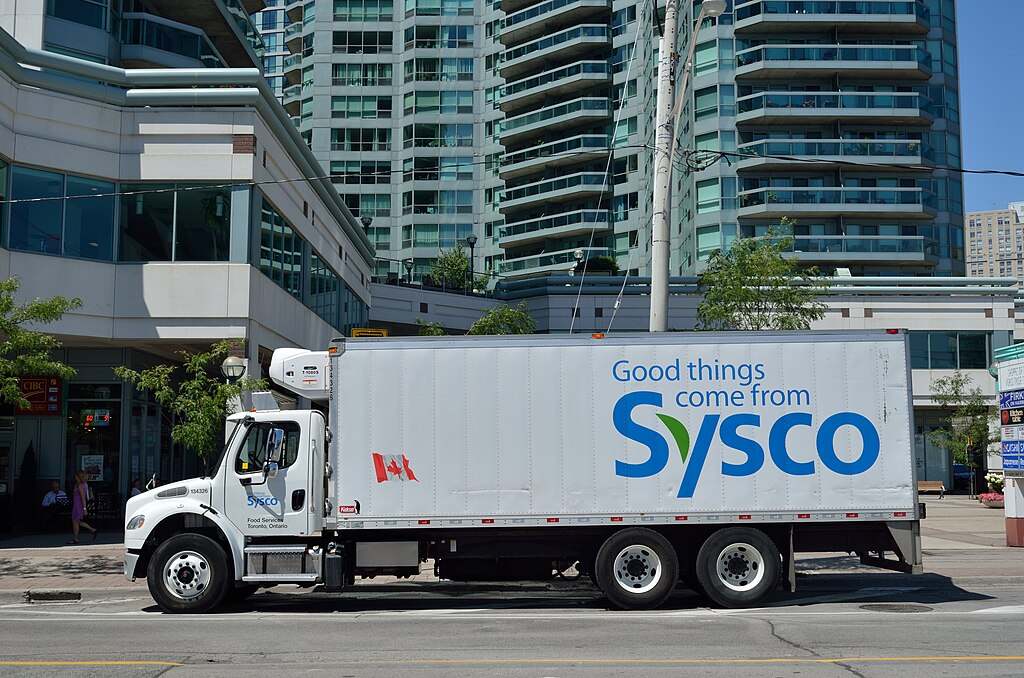
An Ontario arbitrator has ruled that Sysco Ottawa violated its collective agreement by using “bid packs” that restricted drivers’ ability to choose their daily routes by seniority, finding the employer must allow drivers to select both their days off and individual route assignments.

Arbitrator John McNamee determined the company’s scheduling system, which bundled specific routes with predetermined days off, contradicted clear language in the collective agreement with Teamsters Local Union No. 91 that gave drivers the right to select their work schedules in two separate steps.

The dispute arose after the union obtained certification in May 2023 for Sysco’s Ottawa warehouse and two satellite locations in Pembroke and Sturgeon Falls. Following collective bargaining that concluded in April 2024, the parties disagreed on how new driver scheduling provisions should be implemented.

The union argued drivers should first choose their preferred day off by seniority, then select which route they would drive each day of their working week. The employer maintained it could create weekly “bid packs” where choosing a day off automatically determined which routes a driver would operate throughout the remainder of the week.

The arbitrator found Article 16.04 of the collective agreement explicitly stated that drivers “shall select work week, type of work and geographical area and route number” by seniority. He noted the agreement’s repeated references to “bid routes” and “bid runs” throughout multiple provisions reinforced drivers’ right to choose individual routes.

“If the employer were correct that it was entitled to employ bid packs, Articles 16.04(b) and 16.12(6) would be redundant in that the driver would have no need to pay any regard to the hours of service regulations, daily or weekly overtime or the 40 hour per week minimum because the routes that s/he would operate each week would have already been selected by the employer,” the arbitrator wrote.

The ruling placed particular weight on Letter of Understanding No. 3, which stated: “This practice consists of drivers first choosing their day off by selecting a weekly schedule offered by the company. The drivers will then choose their daily run from the days they are working.”

The arbitrator rejected the employer’s argument that this letter merely described pre-existing practice, finding it would be “absurd” to ignore clear language about drivers choosing daily runs given the extensive scheduling provisions elsewhere in the agreement.

The decision also addressed whether the employer could exclude certain routes from the bidding process. Sysco had prevented employee drivers from bidding on routes it estimated would exceed 14 hours of on-duty time, instead assigning those routes to independent contract agents.

The arbitrator found this practice violated Article 2.04(ii), which required that “routes shall first be chosen by Employees (Drivers) by the terms of the collective agreement” with only Montreal and Kingston routes excluded from bidding.

“The language of both sub-clauses is explicit as to this order of precedence,” the arbitrator wrote. “It cannot now create a new exception, which has no basis in the collective agreement, for routes which it estimates will exceed 14 hours on duty.”

The ruling noted the parties had made provisions in the collective agreement for drivers who might need to overnight away from their home terminal, indicating they contemplated situations where routes might not be completed within standard hours-of-service regulations.

The arbitrator did rule in the employer’s favour on one issue, finding the company did not violate the collective agreement when it proposed holding separate transportation committee meetings at each of the three locations rather than one meeting with all stewards physically present.

The decision affects more than 40 other pending grievances that the parties agreed would be determined by this ruling. The arbitrator remitted the question of damages to the parties while retaining jurisdiction if they cannot reach agreement.

The case involved hearings held via Zoom over 10 days between January and November 2025, with the grievance originally filed in October 2024 by a driver who worked a route he did not choose.

The arbitrator also excluded from evidence a surreptitious recording made by the grievor during a telephone conversation with a manager, finding its probative value did not outweigh the potential harm to labour relations.

See the full ruling here: Sysco Ottawa v Teamsters Local Union No. 91, 2026 CanLII 74 (ON LA).

Related Posts

Leave a Comment